
Q: What are the best documentaries to watch?
Documentaries can take you somewhere a fictional film cannot. They can put you inside a courtroom, follow somebody through an extraordinary personal struggle, investigate a crime, explore an unfamiliar part of the world or simply spend time observing people without needing to invent a plot. The difficulty is choosing one. There are thousands worth watching, and the word 'best' becomes rather subjective once you move beyond the obvious classics.
A good starting point is the British Film Institute's Sight and Sound documentary poll, which asked critics, curators and academics to consider the greatest documentaries ever made. Its list is a useful reminder that documentary filmmaking is much broader than modern true crime.
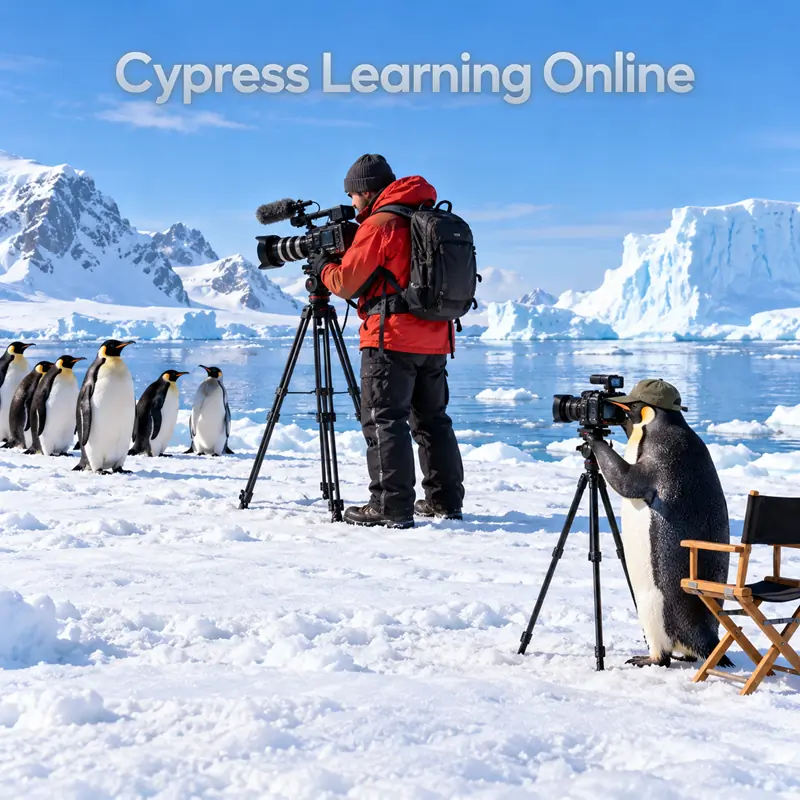
Ten documentaries worth putting on your list
Man with a Movie Camera (1929) - Dziga Vertov's extraordinary silent film follows a day in Soviet city life using rapid editing, unusual camera angles and visual experiments. It can feel surprisingly modern despite being nearly a century old. It also topped the BFI Sight and Sound critics' documentary poll.
Shoah (1985) - Claude Lanzmann's monumental examination of the Holocaust is extremely long and emotionally demanding, but its method is remarkable. Rather than relying on conventional historical reconstruction, it builds its account largely through interviews and testimony. This is important documentary filmmaking, but it is not casual viewing.
The Thin Blue Line (1988) - Errol Morris investigates the conviction of Randall Adams for a murder in Texas. The film is part crime investigation and part examination of how memories, evidence and competing stories can shape a criminal case. It helped demonstrate how gripping a documentary investigation could be.
Salesman (1969) - The Maysles brothers follow travelling Bible salesmen as they move from house to house. There is no huge mystery to solve; instead, the film finds drama in ordinary working lives, ambition, disappointment and persistence.
Grizzly Man (2005) - Werner Herzog uses the recordings of Timothy Treadwell, who lived among wild bears in Alaska, to explore both the man himself and the complicated relationship between humans and nature. It is fascinating partly because Herzog's own perspective becomes part of the film.
When We Were Kings (1996) - This Oscar-winning documentary centres on the famous 1974 boxing match between Muhammad Ali and George Foreman in Zaire. Even if you have little interest in boxing, the characters, atmosphere and cultural significance make it compelling.
The Act of Killing (2012) - Joshua Oppenheimer asks former Indonesian death-squad members to recreate their actions during the mass killings of the 1960s. The result is disturbing, strange and difficult to forget. It is one of the most challenging films on this list.
Harlan County U.S.A. (1976) - Barbara Kopple documents a bitter coal miners' strike in Kentucky. It combines workplace conflict with a close look at the families and communities caught up in it, making industrial history feel immediate and personal.
Senna (2010) - Asif Kapadia's portrait of Formula One driver Ayrton Senna uses archive footage rather than conventional talking-head interviews. It works as a sports documentary, but also as a story about ambition, politics, personality and mortality.
Free Solo (2018) - Alex Honnold attempts to climb El Capitan without ropes or other safety equipment. You know what he is attempting before the climb begins, yet the film still manages to create extraordinary tension. It is probably one of the easiest recommendations here for someone who does not normally watch documentaries.
"Facts are sometimes stranger than fiction." - Mark Twain
If you want to keep exploring after these recommendations, the BFI Player documentary collection is a good place to start. It includes a wide range of documentaries, from classic films and restored archive material to newer work covering subjects such as music, sport, history, nature and social issues. The selection changes, so it is worth browsing even if you have already seen the better-known titles.
The BFI list is worth exploring beyond these ten. Its critics' poll includes films such as Sans Soleil, Night and Fog, The Gleaners and I and Leviathan, showing just how varied the form can be. The BFI Sight and Sound list of the 50 greatest documentaries is therefore a useful source when you want something more adventurous than a standard streaming recommendation.
If you are choosing your first few, start with the subject rather than the reputation. Pick Senna if you like sport, Free Solo for adrenaline, The Thin Blue Line for crime, Salesman for human observation or When We Were Kings for sport and personality. Once you discover which kind of documentary pulls you in, there is an enormous amount more to explore.

Next Articles




This article was last updated on 2026-09-25. Please see our terms of use. You can find other articles about great documentaries to watch using the search function.